How was Dubai founded by the sea?
In 1966, Dubai’s oil fields were discovered, which completely changed the course of the city’s history. In 1971, Dubai entered into federation with six other emirates to form the independent state of the United Arab Emirates (UAE). Located in the oldest existing building the Al Fahidi Fort, Dubai Museum tells the true story.
Just a century ago, most men in Dubai were involved in pearl fishing and no one had heard of oil production. The path to the city’s wealth and development has led through difficult times and the challenges and changes that residents have had to face. Until 1971, the UAE was a British protectorate. In 1968, the British government announced its intention to withdraw its troops from the region and the Sheikhs from the emirates had started form a federation of emirates, including Qatar and Bahrain but independence was declared by six emirates: Abu Dhabi, Dubai, Ajman, Sharjah, Fujarah and Umm Al Quwain.
After the discovery of oil fields, the urban changes in Dubai began. Skyscrapers, business centres and residential areas began to grow with a large emigration. Cooperation with Indian and Pakistani companies and the possibility of a good income has attracted millions of people from India and Pakistan, and hundreds of thousands from Southeast Asia. The last 30 years have seen modern development and established itself as the business capital of the Middle East. The city began to build luxury shopping malls and attract people from all over the world to come and shop. In a few decades, Dubai has grown from a small fishing village to a modern city and one of the best places to live in the world.
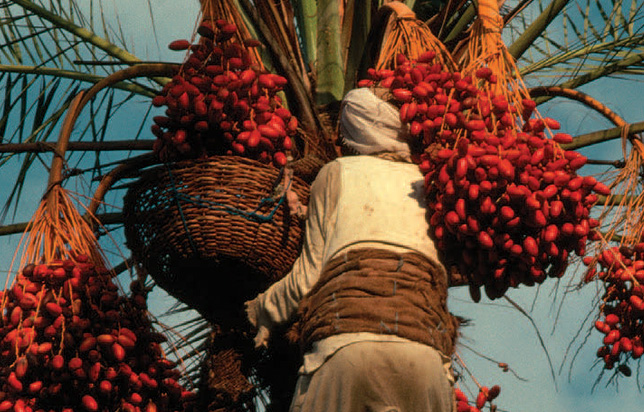
Over 3,000 BC, the area of Dubai was a vast mangrove swamp. The settlers were nomads, grazing cattle. 2,500 BC they established the first date tree farm and began an era of agriculture and farmland in Dubai that lasted for the next 2,000 years. It was not until the 5th century AD that the modern Jumeirah district began to serve as a transshipment and rest stop for trade caravans en route from Oman to present-day Iraq. The inhabitants of the city of Dubai engaged in fishing, pearl fishing, building and repairing boats, and feeding and sheltering merchants on the route across the Arabian Peninsula. At that time, around 1000 AD, merchants flocked to Dubai and sold gold, spices and textiles, and the city’s economy was mainly based on pearl fishing.
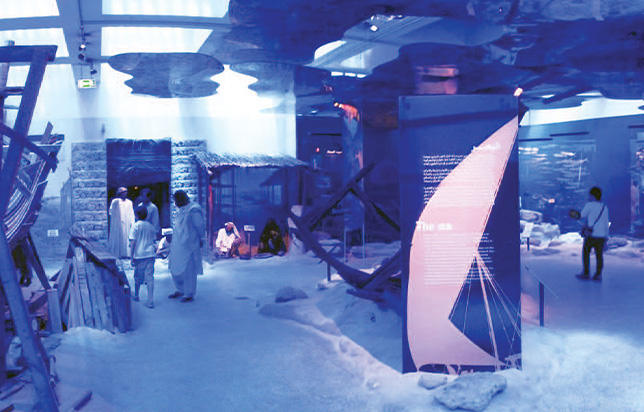
While the city’s small life continued, a dramatic development took place in 1966 and oil deposits were discovered.
In 1793, the Bani Yas tribe took control of Dubai and settled in Abu Dhabi. No longer independent, the city did not stop developing. In 1787, the Al Fahidi Fort, the Dubai Walls and some of the city’s oldest buildings were built. The suspension of arms on the sea lanes by the British in 1820 contributed to the city’s booming trade and accelerated development. In 1833, Maktoum bin Butti of the Bani Yas tribe, arrived in the Dubai Creek area, settled and declared Dubai’s independence which was still just a fishing village. Al Maktoum dynasty continues to lead Dubai towards development and a better future.
In 1894, the Dubai authorities decided to exempt incoming merchants from outside the region. This resulted in the accelerated development of trade on a huge scale. Merchants from all over the world, especially from the Arabian Peninsula and present-day India and Pakistan, did business in Dubai. This was the landscape of the city with major and minor crises until a key moment in 1966: the discovery of oil. That was a key event in Dubai’s history. The late Sheikh Rashid bin Saeed Al Maktoum used the oil fields to develop Dubai and build the city from scratch with modern architecture and residential buildings. This was necessary as Dubai’s population grew by several million over the next few decades.