Caen, the Naval City on Land
Have you ever seen a fully equipped marina in the centre of a city on the map, where the nearest coastline is twenty kilometres away? Imagine a marina without a seashore. There is a city that has the sea in every detail of its surrounding life, but is landlocked, and this year it celebrates the two thousandth anniversary of its founding.
Caen is a city in the heart of France’s Normandy region, where past and present meet. Caen, which carries the tranquil spirit of Normandy, where the medieval atmosphere and the rhythm of modern life coexist, greets its visitors not only with historical ruins but also with the texture of a maritime city.
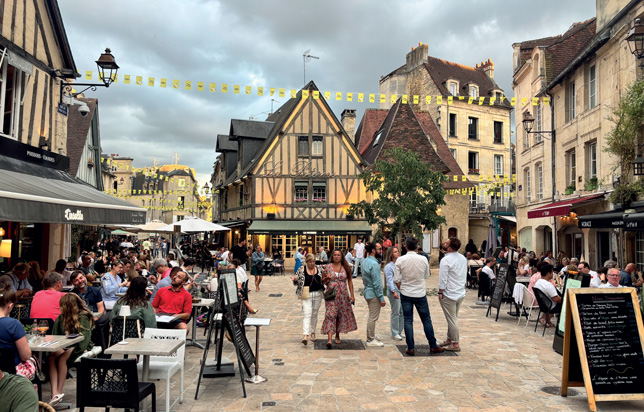
The city’s stone pavements, the scent of cafes and restaurants that bear witness to the city’s long history, and secluded neighborhoods invite you to a daylong exploration. It’s a seaside port city, connecting with the sea via the Ome River and the Caen Canal, enriched by the mobility and connectivity brought by these two waterways. These characteristics are why a classic boat exhibition was included among the celebrations for its 2000th anniversary.
In Caen and its surroundings, traditions that are a thousand years old or more continue to live on. Offering a unique experience in the axis of history, gastronomy and yachting, the city lost some of its rich architectural heritage, identified with Duke William of Norman in the 11th century, during the Second World War. The streets of the city, rebuilt after suffering severe damage and reconstructed with a modern French urban identity, connect
with both the distant and recent past. The towers of Saint-Étienne Cathedral and the Château de Caen evoke the magic of the past, while the iconic Galleries Lafayette building suddenly brings to mind the 1950s.
Norman winds and northern breezes create mild and variable weather in Caen. Flowers bloom in spring, rivers and canals come alive with water sports in summer, autumn winds bring a gentle melancholy, and winter months bring light rain, quiet streets, and crowded cafes.
Normandy’s famous gastronomic delights directly define Caen’s culinary culture. Seafood stands out. In particular, the region’s fresh salmon, mussels, shrimp, and red mullet are brought to the table by fishermen and enriched with creamy and slightly sour flavors that are a distinctive feature of Normandy cuisine. The famous Camembert and Livarot cheeses and ham of Normandy are also daily staples in Caen. The menus of the cafes lined up along the marina in the city center are almost identical. Marina defines both the daily lifestyle and the gastronomy. The city’s residents’ unchanging activity is to wait by the marina in the evening, sipping Calvados with small snacks while they wait. The region’s apple orchards are the source of famous drinks such as cider and Calvados. Tasting fresh apple varieties at the city’s markets is also a local culinary ritual. Of course, since Normandy cuisine is generally paired with white champagne and light red wines, local wines are also present.
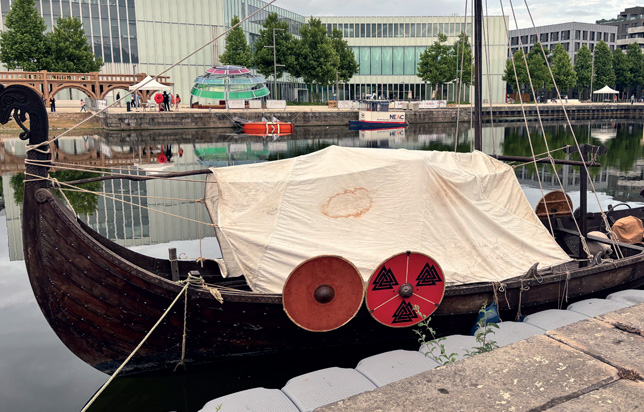
Caen’s gateway to the sea is the coast of Ouistreham, about twenty kilometers away by highway. The city’s connection to the sea is established by the network of canals and rivers flowing into it. For this reason, there is intense activity in marinas during the summer season. Yachts, boats, and beach club activities add a nautical touch to city life, as if the sea were just beyond the hill. The Caen Canal and Orne River also offer water sports, boat rentals, fishing tours, and short cruises. The region’s sailing and yachting activities are lively throughout the year. Yacht maintenance and marina services combine with the surrounding gastronomy and nightlife.
The cathedral (Église Saint-Étienne), embodying the elegance of Gothic architecture, is one of Caen’s main landmarks. The light inside and the stained glass windows give visitors a sense of tranquility. The Château de Caen is an ideal stop to see the remains of the Norman period. It offers visitors a rich archaeological and architectural picture of the Middle Ages. Beyond serving as key directional signs for navigating the city, Abbaye-aux-Hommes and Abbaye-aux-Dames are fascinating monastery complexes for architecture and history enthusiasts. Their gardens and peaceful courtyards make visiting them a pleasure.
The Musée des Beaux-Arts de Caen offers art lovers a rich collection and exhibits works spanning a wide range from the Middle Ages to the modern era. Visiting the local markets set up around Place Saint Sauveur brings you face to face with handmade local cheeses and decorative items.
Transportation: Walking around Caen city center is ideal for most visitors. Transportation by train or bus is convenient for the surrounding area. Those going to Ouistreham need to take the train or a short drive to get there.
Caen, whose pronunciation is often confused with the southern city of Cannes, also boasts a magnificent history museum dedicated to the Normandy Landings, a significant historical turning point. Not to be missed.